
Living With POP

POP Risk Factor Questionnaire: Are You at Risk?
Understanding your risk profile guides your prevention and management strategy. Women with multiple risk factors might benefit from earlier and more aggressive intervention when symptoms first appear. Those with strong family histories should discuss prolapse screening with their doctors even before symptoms develop.

Pelvic Organ Prolapse and Exercise: What's Safe and What to Avoid
Exercise with prolapse is about finding the sweet spot between staying active and protecting your pelvic floor. Too little activity leaves you weak and frustrated. Too much of the wrong activities worsens your symptoms and potentially progresses your prolapse. The right balance keeps you strong, healthy, and living the active life you want.

The Connection Between Menopause and Pelvic Organ Prolapse
The loss of estrogen affects your pelvic floor in several ways. The ligaments and fascia that hold your pelvic organs in place become less elastic and more fragile. Your vaginal tissue becomes thinner and more delicate, making it less able to support your pelvic organs. Pelvic floor muscles may lose strength and tone more rapidly without estrogen's protective effects. Additionally, decreased collagen production means weaker support structures since collagen gives tissues their strength.

Pessaries 101: A Complete Guide to Non-Surgical POP Management
Pessaries work for many women with pelvic organ prolapse. They're especially good for women who want to avoid surgery, are still planning pregnancies, have health conditions that make surgery risky, or simply prefer non-surgical options.

POP and Pregnancy: Can You Have Another Baby?
Pregnancy with pelvic organ prolapse is possible but comes with real risks and challenges. Many women successfully carry pregnancies and deliver healthy babies despite having prolapse, though symptoms typically worsen and may not fully resolve after delivery.
Pelvic Floor Maintenance: Keeping Your Repair Strong
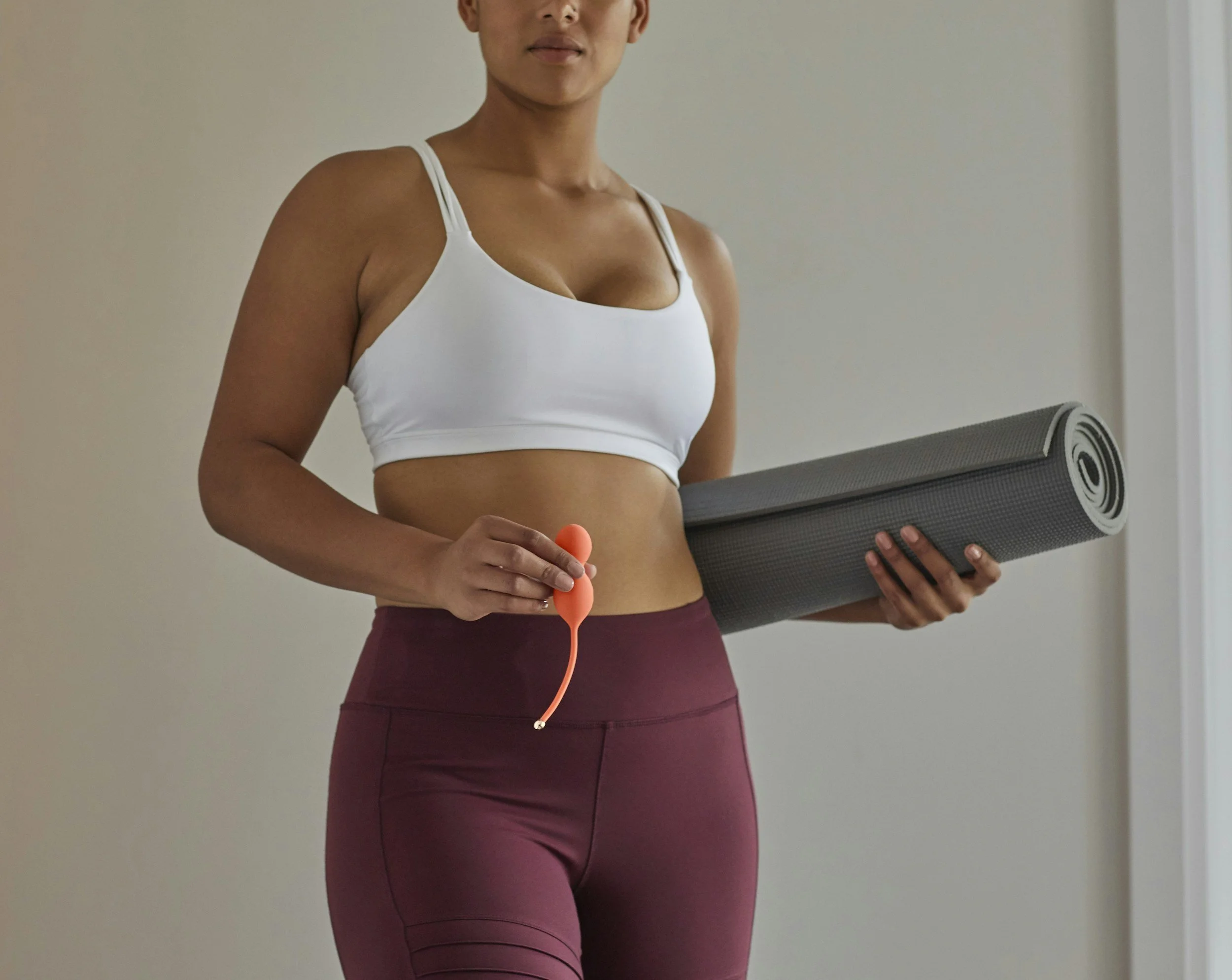
The work you put into pelvic floor maintenance determines how long your surgical repair lasts and whether you'll need additional surgery in the future. Women who take maintenance seriously, continue pelvic floor exercises, maintain healthy weight, avoid chronic straining, and respect their body's limits get the most years of relief from their repairs.

When Surgery Isn't the Answer: Alternative Treatments for POP
Many women successfully manage prolapse long-term without surgery. Women with mild to moderate prolapse who respond well to pessaries or physical therapy, those whose symptoms are manageable and don't significantly impact quality of life, women who aren't good surgical candidates due to health conditions, and those who simply prefer to avoid surgery for personal reasons can all find relief through conservative management.

Understanding Prolapse Stages: What Do They Really Mean?
Medical staging systems are helpful tools, but they're just numbers on a chart. What matters most is how you feel and how prolapse affects your daily life. A woman with Stage 2 prolapse who can't exercise or enjoy intimacy needs treatment just as much as a woman with Stage 4 prolapse.
Don't let anyone tell you that your stage is "not bad enough" to warrant treatment. Your symptoms are real, your discomfort matters, and you deserve relief regardless of what stage label gets assigned to your prolapse. Work with doctors who listen to your concerns and base treatment recommendations on your quality of life, not just measurements taken during an exam.
Life After Prolapse Surgery: Recovery Timeline and What to Expect
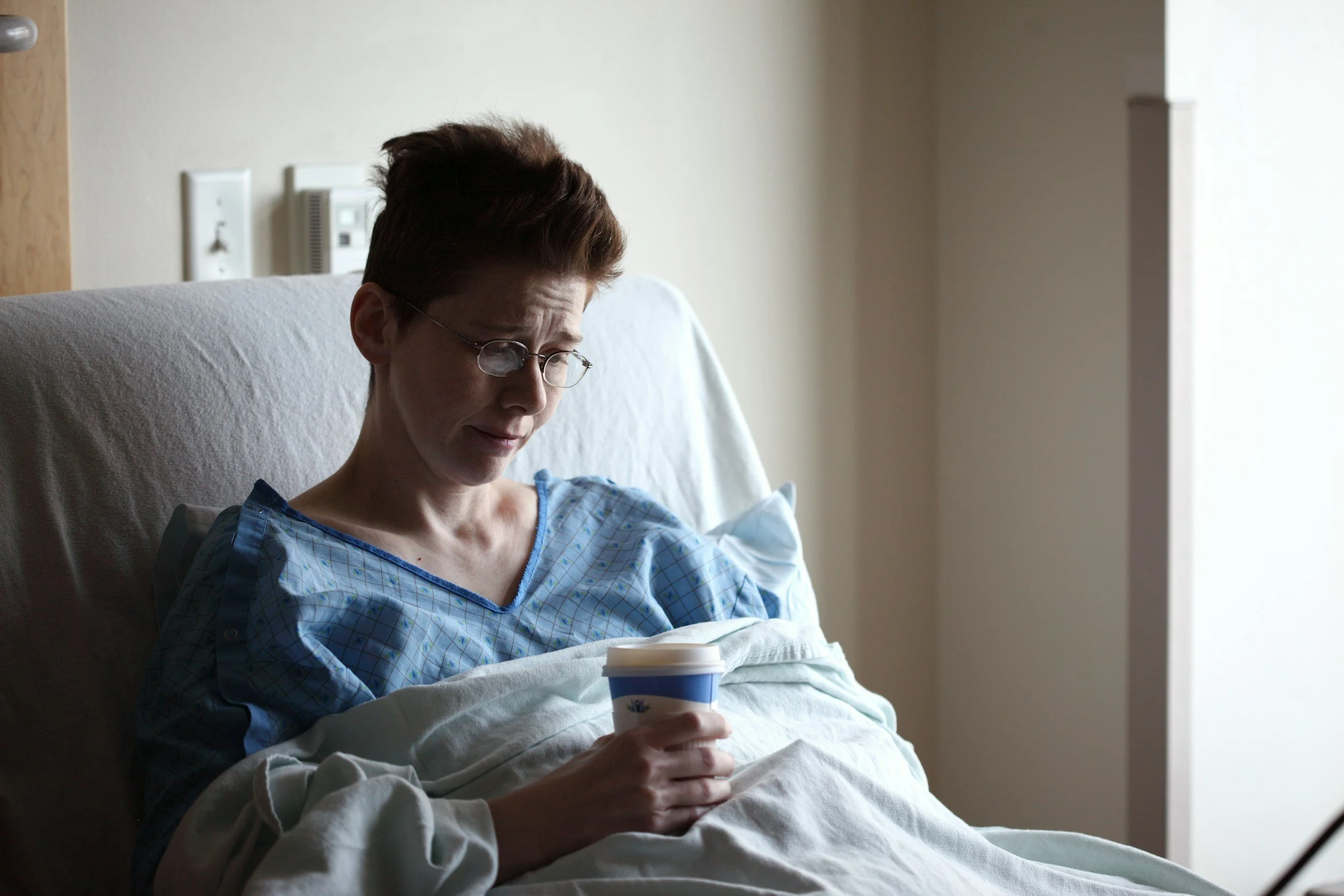
Prolapse surgery recovery is a journey that takes several months. The first six weeks require significant restrictions and rest, but gradual improvement is steady. By three to six months, most women feel back to their normal selves and are thrilled with their results.

What to Expect at Your First Urogynecologist Appointment
Don't be afraid to ask for clarification if you don't understand something. A good doctor will take the time to explain things in terms you can understand.