Life After Prolapse Surgery: Recovery Timeline and What to Expect
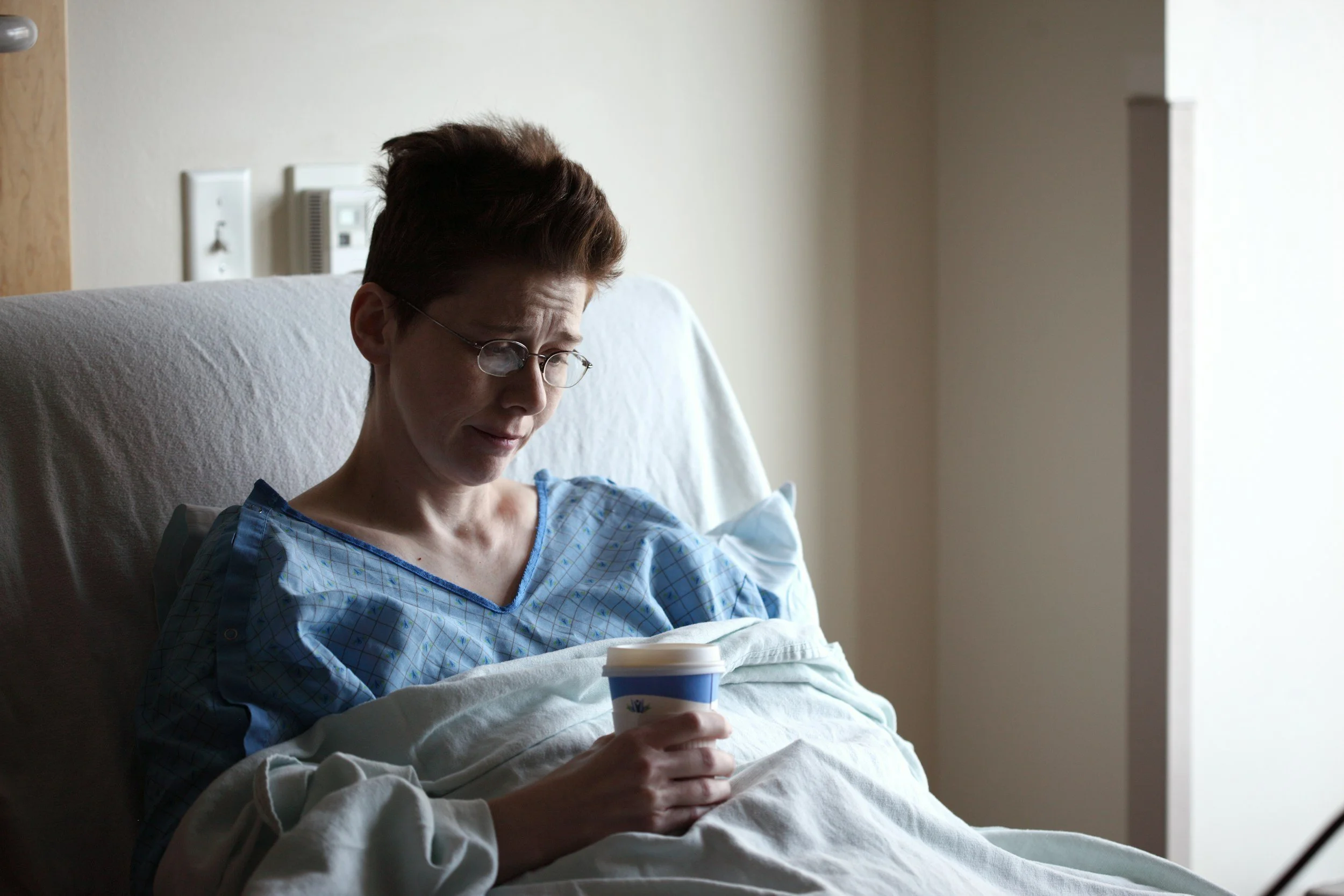
You've made the decision to have prolapse surgery. Now you're wondering what comes next. How long will recovery take? When can you get back to normal activities? What's realistic to expect?
Understanding the recovery process can help you prepare mentally and physically for life after surgery. Here's what you need to know about the journey ahead.
The First 24-48 Hours: In the Hospital
Most prolapse surgeries require an overnight hospital stay, though some procedures can be done as outpatient surgery. Right after surgery, you'll be groggy from anesthesia and likely experiencing some discomfort.
You'll have a catheter to drain your bladder since swelling from surgery can make it difficult to urinate on your own. Many women also have vaginal packing to control bleeding and support the surgical repair. This is usually removed before you go home or within the first day or two.
Pain is manageable with medication. Most women describe the discomfort as similar to bad menstrual cramps combined with pressure in the pelvic area. Your nurses will help you manage pain and will encourage you to get up and walk as soon as possible to prevent blood clots and promote healing.
Don't be alarmed by vaginal bleeding or discharge. This is completely normal and can continue for several weeks as your body heals.
Week 1-2: Early Recovery at Home
The first two weeks are about rest and healing. Your body has been through major surgery, even if you don't have large external incisions. The repairs happening inside your pelvis need time to heal and strengthen.
You'll feel tired and may need frequent naps. This exhaustion is normal and actually helps your body heal. Listen to what your body is telling you and rest when you need to. Light activities like short walks around your home or neighborhood are encouraged, but this is not the time to push yourself.
Expect vaginal discharge and spotting that may range from pink to brown. Some women pass small clots or tissue fragments. As long as you're not soaking through pads every hour, this is normal healing. You'll also likely experience constipation from pain medications and reduced activity. Stool softeners and plenty of water are your friends during this time.
Most women still need pain medication during this period, though the intensity should be decreasing. By the end of week two, many women are transitioning to over-the-counter pain relievers.
Week 3-6: Gradual Improvement
By week three, you'll start feeling more like yourself. Energy levels improve, pain decreases, and you can do more around the house. However, you're still healing internally, so restrictions remain in place.
During this time, avoid lifting anything heavier than about 10 pounds, which is roughly the weight of a gallon of milk. No vacuuming, no lifting laundry baskets, no picking up grandchildren. You should also avoid driving until you're off narcotic pain medications and can comfortably slam on the brakes in an emergency.
Sexual activity is off-limits during this entire six-week period. Your vaginal tissues need time to heal completely before any penetration. Intimacy without penetration is fine if you feel up to it, but most women aren't interested in sex during early recovery anyway.
Vaginal discharge continues but should be decreasing. Some women notice a yellowish discharge as stitches dissolve. As long as there's no foul odor or fever, this is part of normal healing.
Week 6: The Magic Checkpoint
Your six-week follow-up appointment is a major milestone. Your doctor will examine you to check how everything is healing and will likely clear you to gradually resume normal activities, including intimacy.
Don't expect immediate clearance to do everything, though. Your doctor will give you guidelines for slowly increasing activity over the next several weeks. Think of this as getting the green light to start your "return to normal" journey, not as being immediately back to your pre-surgery life.
Some women feel great at six weeks and are ready to increase activity. Others still feel tender and cautious. Both experiences are normal. Recovery isn't a race, and everyone heals at their own pace.
Months 2-3: Building Back Up
During months two and three, you'll gradually increase your activity level. Start with gentle exercises like walking, swimming, or yoga. Avoid high-impact activities, heavy lifting, and exercises that create significant downward pressure on your pelvic floor.
This is an excellent time to work with a pelvic floor physical therapist. They can teach you exercises to strengthen your pelvic floor safely and help you return to activities you love without putting your surgical repair at risk.
Many women notice continued improvement in their prolapse symptoms during this time. Swelling continues to decrease, scar tissue softens, and your body adjusts to its new support structures. Some days you might feel great, and other days you might notice twinges or soreness. This variability is normal as your body continues healing.
Sexual activity can resume, but go slowly. Use plenty of lubricant, communicate with your partner, and stop if anything hurts. Many women worry that sex will damage their repair, but once you're cleared by your doctor, gentle intimacy won't hurt your surgery. It may take time to feel comfortable and confident again, and that's okay.
Months 3-6: Finding Your New Normal
By three to six months post-surgery, most women feel significantly better. Energy levels are back to normal, pain is minimal or gone, and you can do most of your regular activities. Some women return to running, aerobics, or other high-impact activities during this period, though others find they need to permanently modify how they exercise.
Your surgical repair continues to strengthen during this time. Scar tissue matures and becomes more flexible. The final results of your surgery become clearer as swelling completely resolves.
Some women notice occasional twinges or sensations in their pelvic area, especially with weather changes, their menstrual cycle, or after particularly active days. These sensations usually aren't a sign of problems but rather your body's way of reminding you that surgery happened.
Long-Term: Life After Recovery
Once you're fully healed, life returns to normal for most women. You can exercise, have sex, travel, and live without the constant awareness of prolapse symptoms that dominated your pre-surgery life.
However, it's important to maintain pelvic floor health long-term. Continue pelvic floor exercises, avoid chronic constipation and straining, maintain a healthy weight, and be mindful of activities that put significant pressure on your pelvic floor. Your surgery repaired the prolapse, but the factors that contributed to it in the first place haven't changed unless you actively address them.
Most women are thrilled with their surgical results and wish they had done it sooner. However, prolapse can recur, especially if you have risk factors like weak connective tissue, chronic coughing, or continuing to do activities that strain your pelvic floor. Working with your doctor and possibly a pelvic floor physical therapist can help you protect your repair long-term.
Emotional Recovery
Physical healing is only part of the recovery process. Many women experience emotional ups and downs after prolapse surgery. Relief that the surgery is over, anxiety about whether it will be successful, frustration with restrictions, and worry about recurrence are all common feelings.
Some women feel emotional or tearful during recovery, partly due to hormones and anesthesia, and partly due to the stress of surgery and recovery. Give yourself grace during this time. It's okay to have good days and bad days. Connecting with other women who've been through prolapse surgery can provide tremendous emotional support and reassurance that what you're experiencing is normal.
When to Call Your Doctor
While most recovery experiences are straightforward, call your doctor if you experience heavy bleeding that soaks through a pad in an hour, severe pain not controlled by medication, fever over 100.4°F, foul-smelling vaginal discharge, inability to urinate, or severe leg pain or swelling.
These symptoms could indicate complications that need medical attention. It's always better to call and be reassured that everything is normal than to ignore something that needs treatment.
Setting Yourself Up for Success
Recovery goes more smoothly when you prepare ahead of time. Arrange for help during the first two weeks, stock up on easy-to-prepare meals, set up a comfortable recovery space with everything you need within reach, and line up entertainment since you'll be spending a lot of time resting.
Most importantly, be patient with yourself. Recovery takes time, and trying to rush it can lead to setbacks. Trust the process, follow your doctor's instructions, and know that each day brings you closer to feeling like yourself again.
The Bottom Line
Prolapse surgery recovery is a journey that takes several months. The first six weeks require significant restrictions and rest, but gradual improvement is steady. By three to six months, most women feel back to their normal selves and are thrilled with their results.
Every woman's recovery is unique. Some sail through with minimal discomfort, while others have a rougher road. Both experiences are valid and normal. What matters is giving your body the time and support it needs to heal properly.
The temporary inconvenience of recovery is a small price to pay for the long-term relief that successful prolapse surgery provides. Stay patient, follow your doctor's guidance, and trust that better days are ahead.
Questions About Prolapse Surgery Recovery?
Join the APOPS community forum to connect with other women who've been through prolapse surgery. Share experiences, ask questions, and get support from thousands of women who understand exactly what you're going through.
You're not alone. We're here to help.