POP and Pregnancy: Can You Have Another Baby?
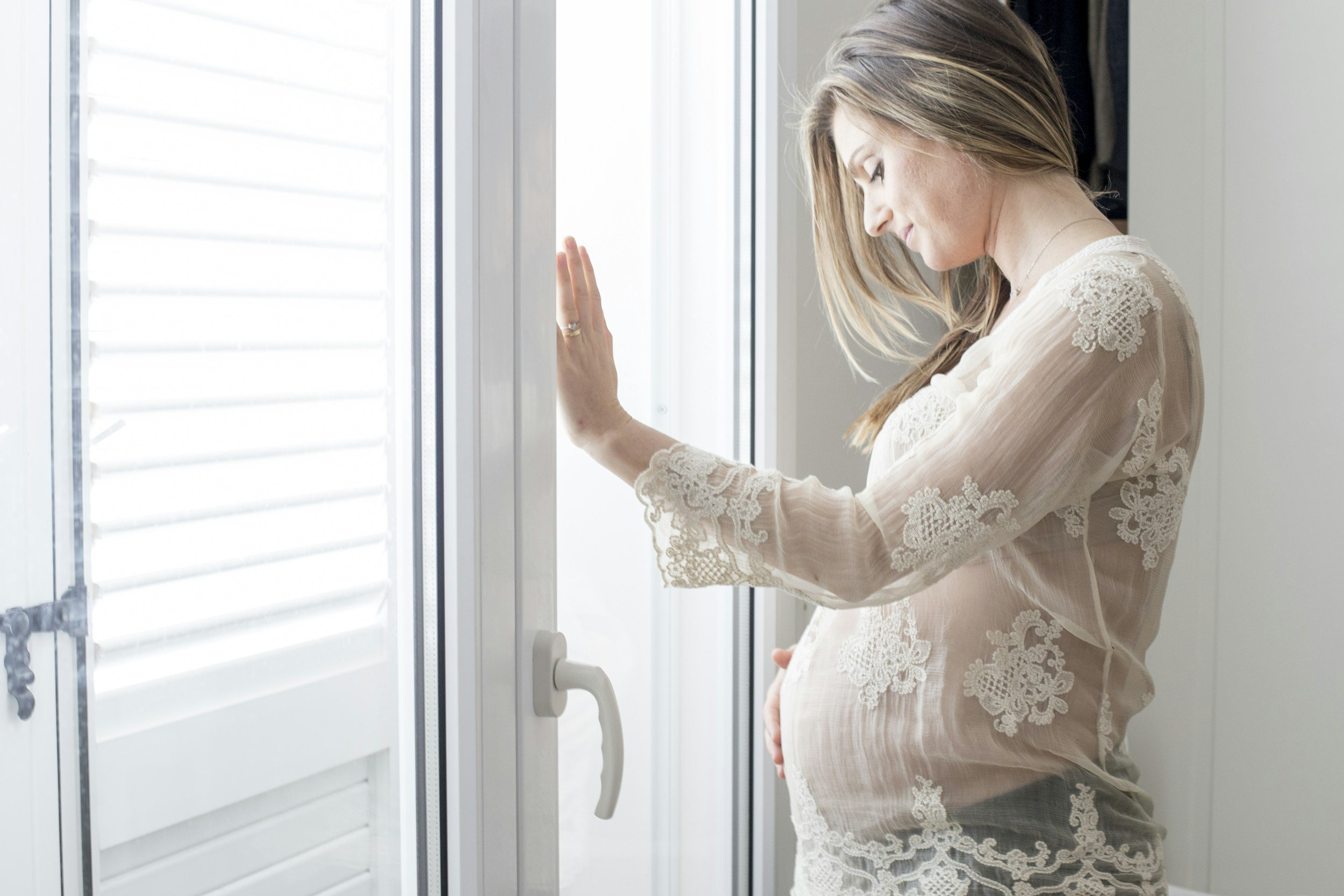
Finding out you have pelvic organ prolapse when you're still hoping to expand your family can feel devastating. The questions flood in immediately. Can you safely get pregnant again? Will pregnancy make the prolapse worse? What about delivery? Should you just give up on having more children?
The answers aren't always simple, but many women with prolapse do go on to have successful pregnancies and healthy babies. Here's what you need to know about pregnancy after a prolapse diagnosis.
Understanding the Connection
Pregnancy and childbirth are among the leading causes of pelvic organ prolapse. The weight of your growing baby, the hormonal changes that loosen your ligaments, and the physical trauma of vaginal delivery can all weaken your pelvic floor support structures.
Women who already have prolapse face a real dilemma. Another pregnancy will put additional stress on an already compromised pelvic floor. The prolapse will likely worsen during pregnancy, and there's a risk it could become more severe permanently. However, pregnancy isn't impossible, and for many women, the desire to have another child outweighs the risks to their pelvic floor.
The decision to pursue another pregnancy with existing prolapse is deeply personal. It involves weighing your family planning goals against the potential impact on your pelvic health and quality of life. There's no universally right answer, and what works for one woman might not be right for another.
What Happens During Pregnancy with Prolapse
Most women with prolapse find their symptoms worsen as pregnancy progresses. The growing uterus puts increasing pressure on your pelvic floor, and the bulge you feel may become more prominent. Pelvic pressure and heaviness often intensify, especially in the third trimester when your baby is largest.
Some women develop new types of prolapse during pregnancy or find that mild prolapse becomes moderate or severe. The hormone relaxin, which loosens your ligaments to prepare for birth, also affects the connective tissues supporting your pelvic organs. This makes everything even more mobile and prone to dropping down.
The good news is that many women find their prolapse improves somewhat after delivery once the weight of the baby is gone and hormone levels normalize. The bad news is that it rarely returns to pre-pregnancy levels, and you may end up with worse prolapse than you started with.
Managing Prolapse During Pregnancy
Working closely with your healthcare provider is essential. Your obstetrician needs to know about your prolapse so they can monitor it throughout your pregnancy and help you manage symptoms.
A pessary can be incredibly helpful during pregnancy. Many pregnant women with prolapse use a pessary to support their pelvic organs and reduce symptoms. Your doctor will need to adjust the size as your body changes throughout pregnancy, but pessaries are safe to use during pregnancy and can make a significant difference in your comfort level.
Pelvic floor physical therapy during pregnancy can help you maintain whatever strength and function you have. A specialized therapist can teach you exercises that are safe during pregnancy and help you prepare your pelvic floor for delivery. They can also work with you on breathing and pushing techniques that minimize additional trauma during birth.
Staying off your feet as much as possible helps reduce pressure on your pelvic floor. This doesn't mean complete bed rest unless your doctor recommends it, but being mindful about prolonged standing and avoiding heavy lifting can help protect your pelvic floor during pregnancy.
Delivery Considerations
The biggest question many women have is whether they should have a cesarean section instead of vaginal delivery to protect their pelvic floor. This is a complex decision that depends on multiple factors including the severity of your prolapse, your obstetric history, and your personal preferences.
Some doctors recommend cesarean delivery for women with severe prolapse to avoid the additional trauma of vaginal birth. However, cesarean delivery isn't risk-free and comes with its own set of complications and recovery challenges. The surgery itself doesn't prevent prolapse from worsening during pregnancy, only the delivery portion.
For women with mild to moderate prolapse, vaginal delivery may still be a reasonable option, especially with careful management. Your doctor might recommend interventions like forceps-assisted delivery to shorten the pushing phase, an episiotomy to prevent severe tearing, or close monitoring during labor to assess how your pelvic floor is handling the stress.
Discuss these options with your obstetrician well before your due date. Make sure they understand your concerns and are willing to work with you to minimize additional pelvic floor damage. Some women benefit from consulting with both their obstetrician and a urogynecologist to make an informed decision about delivery method.
The Impact on Long-Term Prolapse Management
Having another baby when you already have prolapse will likely affect your long-term treatment options. Many surgeons prefer to wait until you're done having children before performing prolapse repair surgery. Pregnancy after prolapse surgery can undo the repair, requiring additional surgery later.
This means you might need to manage your prolapse conservatively with pessaries, pelvic floor physical therapy, and lifestyle modifications for several more years until your family is complete. For some women, this is manageable. For others, particularly those with severe prolapse, the prospect of years without surgical repair feels overwhelming.
Some women choose to have prolapse surgery before another pregnancy, understanding they'll likely need revision surgery afterward. Others decide to delay surgery until after they're done having children, even though it means living with significant symptoms in the meantime. There's no perfect solution, and the right choice depends on your individual circumstances.
When Pregnancy Might Not Be Advisable
In some cases, the risks of pregnancy with prolapse outweigh the potential benefits. Severe prolapse, particularly complete uterine prolapse where your uterus is protruding from your vagina, makes pregnancy very difficult and potentially dangerous. Multiple previous prolapse surgeries that have failed suggest your tissues may not handle the stress of another pregnancy well.
Significant symptoms that severely impact your quality of life need careful consideration. Adding the demands of pregnancy on top of already debilitating prolapse symptoms can be extremely challenging physically and emotionally. Other serious health conditions that make pregnancy risky combined with prolapse concerns may tip the scales against pursuing another pregnancy.
These situations require honest conversations with your healthcare providers about what's realistic and safe. Sometimes the answer you don't want to hear is the one you need to protect your health and wellbeing.
Questions to Ask Your Doctor
Before deciding whether to pursue another pregnancy with prolapse, have detailed discussions with both your obstetrician and a urogynecologist. Ask how severe your prolapse is and whether it's likely to worsen significantly with pregnancy. Find out what they recommend for managing prolapse during pregnancy and whether they suggest cesarean delivery versus vaginal birth.
Discuss what will happen to your prolapse after delivery and whether they expect it to return to current levels or worsen permanently. Ask about the timeline for prolapse surgery after delivery and what they recommend if you need to manage prolapse for several years before completing your family. Understanding these factors helps you make an informed decision about whether the risks are acceptable for your situation.
Making Your Decision
Deciding whether to have another baby when you have prolapse is one of the most difficult choices you might face. There's no right or wrong answer, only what's right for you and your family.
Some women decide the risk to their pelvic floor is worth it to have the family they've always wanted. Others choose to stop having children earlier than planned to protect their pelvic health. Both decisions are valid, and neither makes you more or less of a good mother or woman.
Take time to process your feelings about this decision. It's okay to grieve the loss of the pregnancy experience you hoped for or the family size you imagined. Connect with other women who've faced similar decisions through support groups or online communities. Their experiences and perspectives can provide valuable insight as you navigate this choice.
Moving Forward with Your Decision
Pregnancy with pelvic organ prolapse is possible but comes with real risks and challenges. Many women successfully carry pregnancies and deliver healthy babies despite having prolapse, though symptoms typically worsen and may not fully resolve after delivery.
The decision to pursue another pregnancy involves weighing your desire for more children against the potential impact on your pelvic health and quality of life. Working closely with knowledgeable healthcare providers, using management strategies like pessaries and pelvic floor therapy, and making informed decisions about delivery method can help minimize risks.
Whatever you decide, give yourself grace. This is a difficult situation with no perfect answers. Trust yourself to make the best decision for your body, your family, and your future wellbeing.
Questions About Prolapse and Pregnancy?
Join the APOPS community forum to connect with other women navigating pregnancy decisions with prolapse. Share experiences, ask questions, and get support from thousands of women who understand.
You're not alone. We're here to help.