You’ve Had Rectocele Surgery And Still Can’t Poop By Sherrie Palm
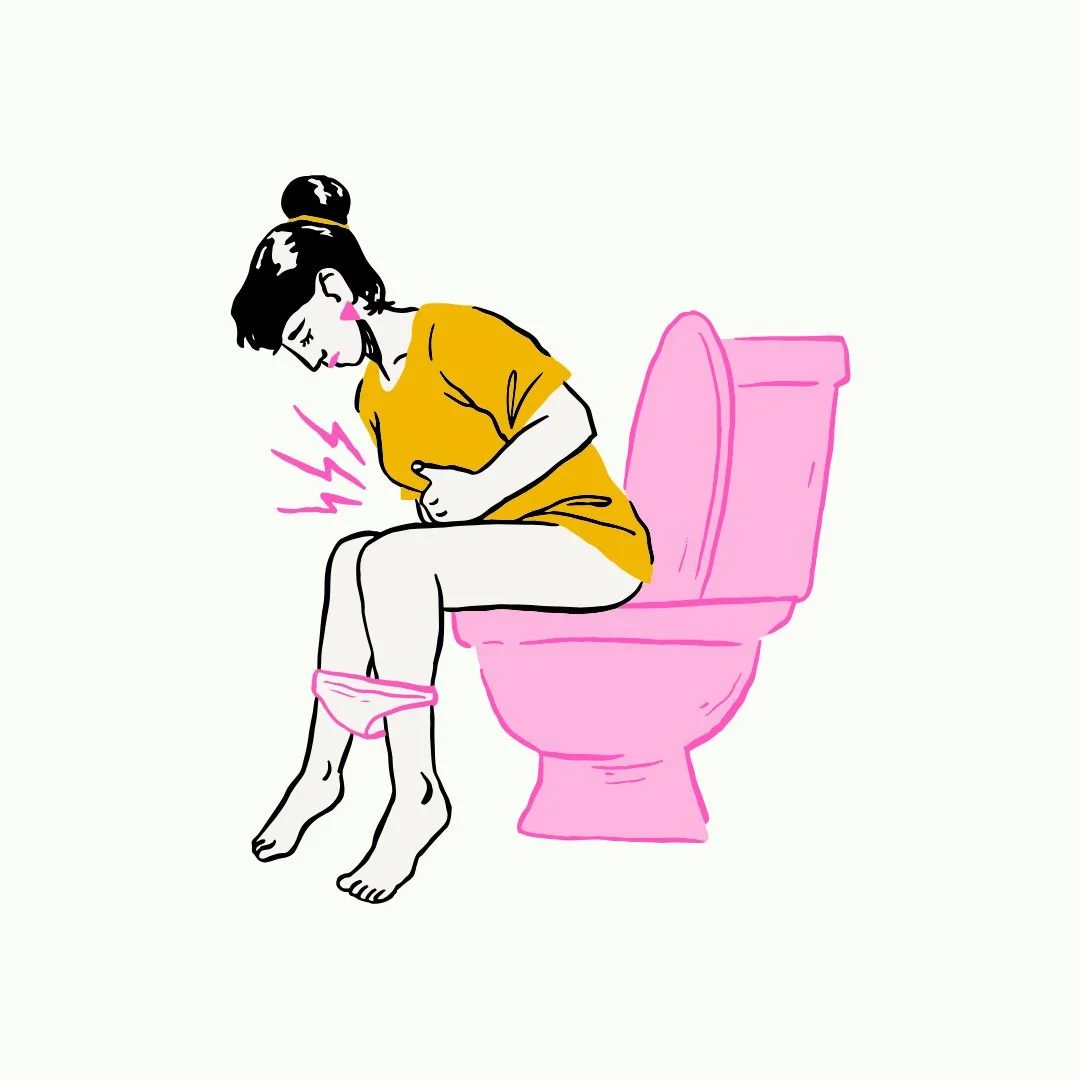
Seldom a day goes by that I don’t ponder the various paths of pelvic organ prolapse and constipation. I think about how POP impacts women who know they have it but aren’t ready to jump the fence to surgical repair. I think about how it impacts women who are going to have surgery but have to figure out how to deal with it until the day their surgery occurs. I think about women post surgery like me who still dance with constipation issues. I think about women who’ve had chronic constipation for years and have no idea why.
Constipation is both a symptom and a cause of POP. Constipation is an insidious indicator of POP issues, both past and present. To say all we want to do is poop normally is an understatement. On the days when things “come out alright” I feel I should put a gold star on the calendar. You know what I mean, talk about life’s little pleasures….
I assumed for some time that my lingering constipation issues post surgery were related to the IBS I’ve danced with for more years than I care to say-being a type A comes with a price tag. But in the time that has passed since my POP was addressed surgically and I shifted into POP advocate mode, I have listened to more and more women post POP surgery mirror my constipation issues. I feel the time has arrived to address this topic a bit more in depth.
First up, here’s a recognition factor- it is extremely difficult to contract your pc muscle when your gut is full of fecal matter. It is also extremely difficult to contract abdominals for the same reason. I’m a bit of an exercise junkie and a huge promoter of continuing Kegels post surgery for maintenance. Soooo, what to do?
Since many women will have scar tissue or adhesions post POP surgery, pay attention to any restrictions or pain you feel in your vaginal/rectal/perineal area. Pay attention whether or not it feels uncomfortable when you are sitting. Pay attention to how your bowel movements have changed from what they were prior to surgery to where they are now. Pay attention to the discomfort factor with intercourse. (Not all women have constipation post rectocele surgery; if you are not having problems, you are good to go!)
There are a couple of paths to explore beyond traditional fiber/push fluids/exercise; please approach these carefully and slowly. These are not for women fresh out of rectocele surgery, please wait at least 3 months post POP surgery and check with your physician for full release before proceeding with any of the suggestions here-common sense if vital.